Understanding ERP Customization for Manufacturers
Enterprise Resource Planning (ERP) systems can significantly enhance the efficiency of manufacturing processes. However, the customization of these systems is often misunderstood. This article delves into the importance of ERP customization for manufacturers, providing insights that can aid operations managers and IT decision-makers in selecting the right solutions.
Why Customization Matters
Many manufacturing companies operate in unique environments with specific requirements. According to industry experts, customization of ERP systems allows businesses to align the software with their operational processes, improving workflow and productivity.

Customization works well because it addresses the individual needs of a business. For instance, an ERP system tailored to a particular manufacturing process can streamline operations and minimize data entry errors, leading to enhanced overall performance.
"Customization is not just a feature—it's a necessity for businesses looking to optimize their processes." - Industry Expert
Types of Customizations
ERP systems can be customized in various ways, including:
- Field Customization: Adding or modifying data fields to better capture essential information.
- Workflow Adjustments: Altering the software workflow to reflect the actual processes in the manufacturing environment.
- Integration Capabilities: Connecting the ERP with other systems (e.g., inventory management, CRM) to enable seamless data flow.
Each type of customization serves a purpose, typically facilitating better data management and operational efficiency. Implementing these changes often requires a dedicated team and can take several weeks to fully realize, depending on the complexity of the customization.
Challenges of Customization
While customization offers significant benefits, it also presents challenges. Many businesses may encounter:
- Cost Implications: Customization can involve considerable resources, both in terms of time and finances.
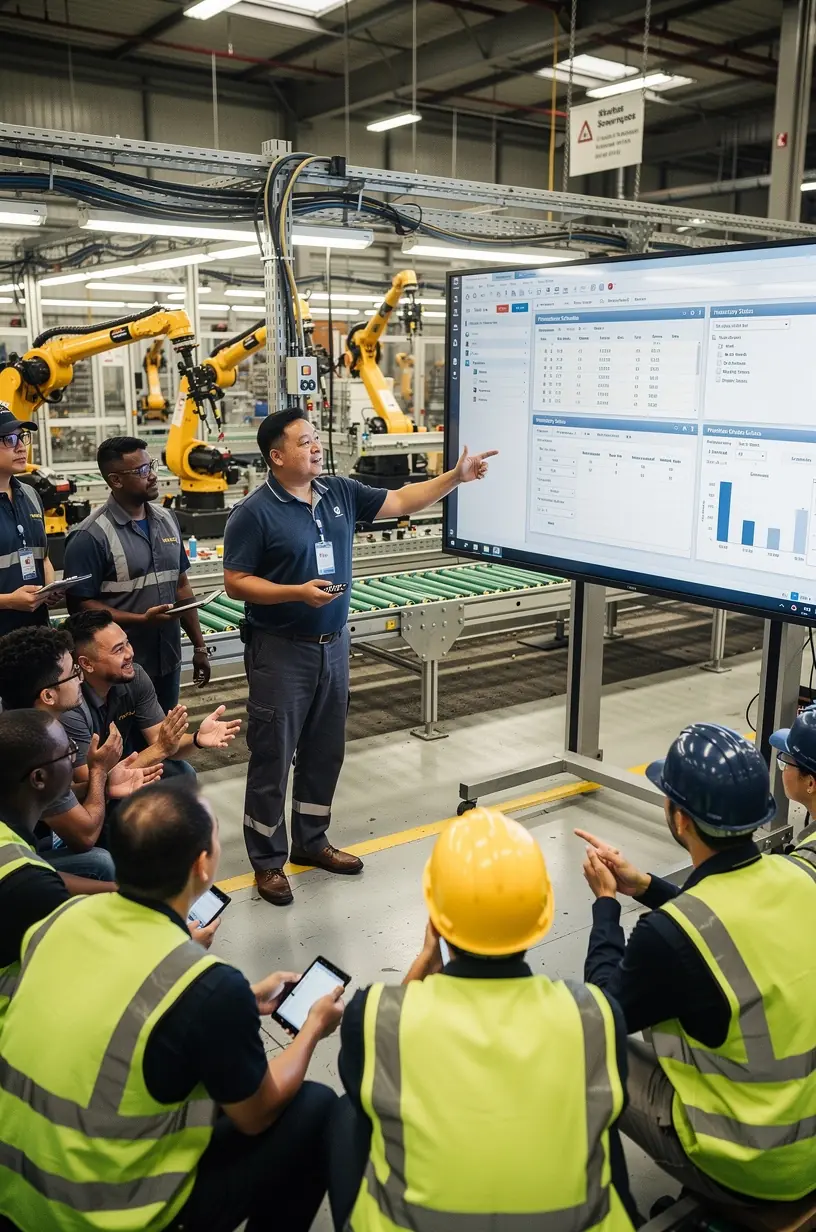
- Learning Curves: Employees may need training to adapt to the new, customized environment.
- Maintenance and Support: Ongoing support may be necessary to manage custom features, which can lead to long-term commitments.
Understanding these challenges is crucial for manufacturers considering ERP customization. It is advisable to engage with a knowledgeable vendor who can provide guidance throughout the customization process.
Implementation Case Studies
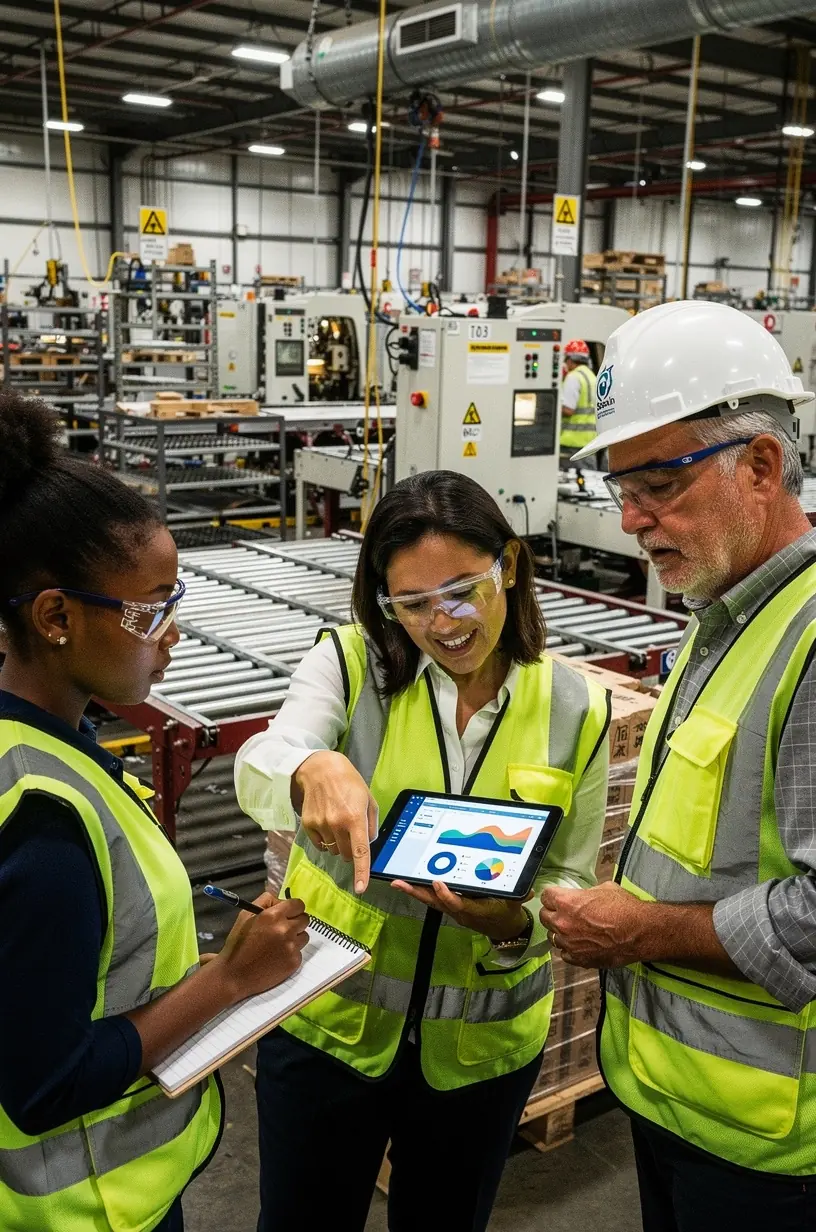
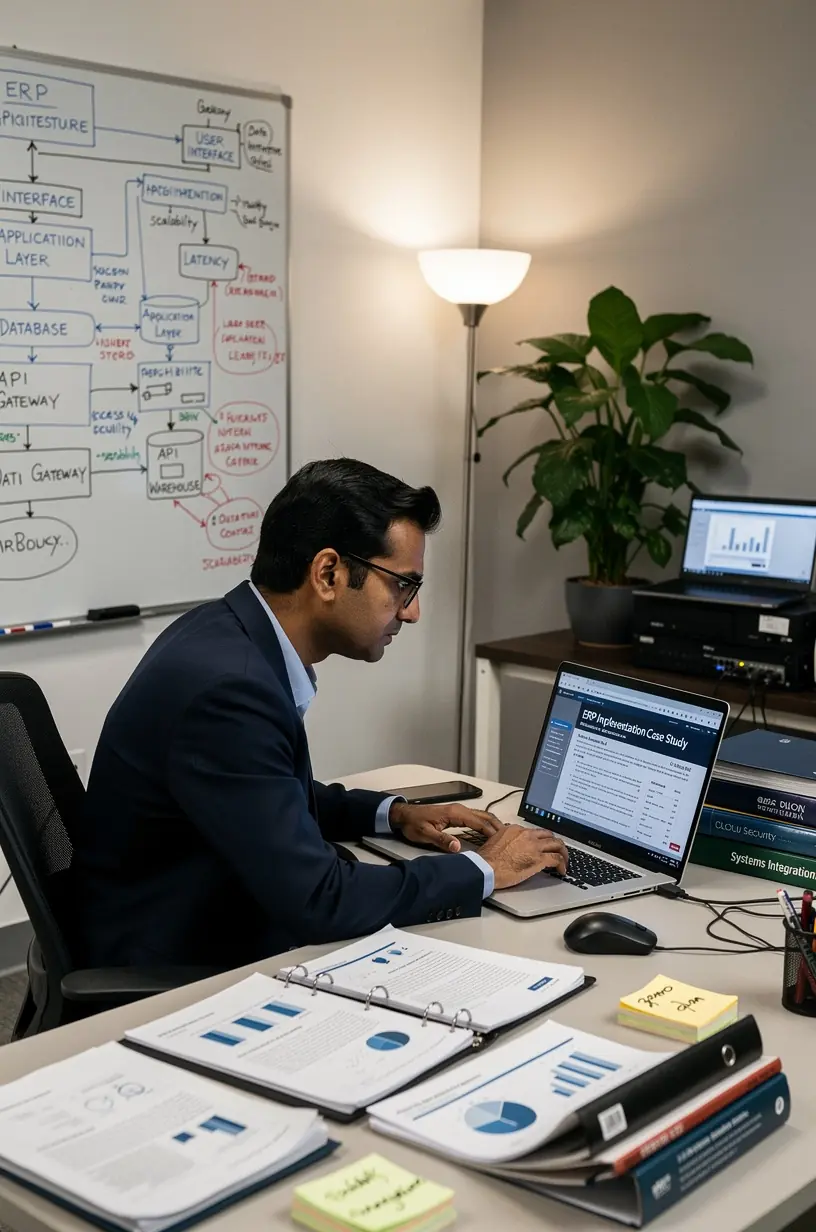
Case studies have shown that manufacturers who successfully implement ERP customization often experience improved operational metrics. For example, a mid-sized manufacturer noted a 20% reduction in lead time after customizing their ERP system to align with their production scheduling needs. This was achieved by tailoring the software to provide real-time updates and alerts, which streamlined decision-making processes.
Conclusion
In summary, ERP customization can significantly enhance the efficiency and effectiveness of manufacturing operations. However, it is essential to approach customization thoughtfully, weighing the benefits against potential challenges. By engaging with expert vendors, manufacturers can tailor ERP solutions that meet their specific needs and ultimately drive production efficiency.
Understanding the nuances of ERP customization is a key step for operations managers and IT decision-makers in selecting optimal solutions for their businesses.
Discover More