Key Features of ERP for Small Manufacturers
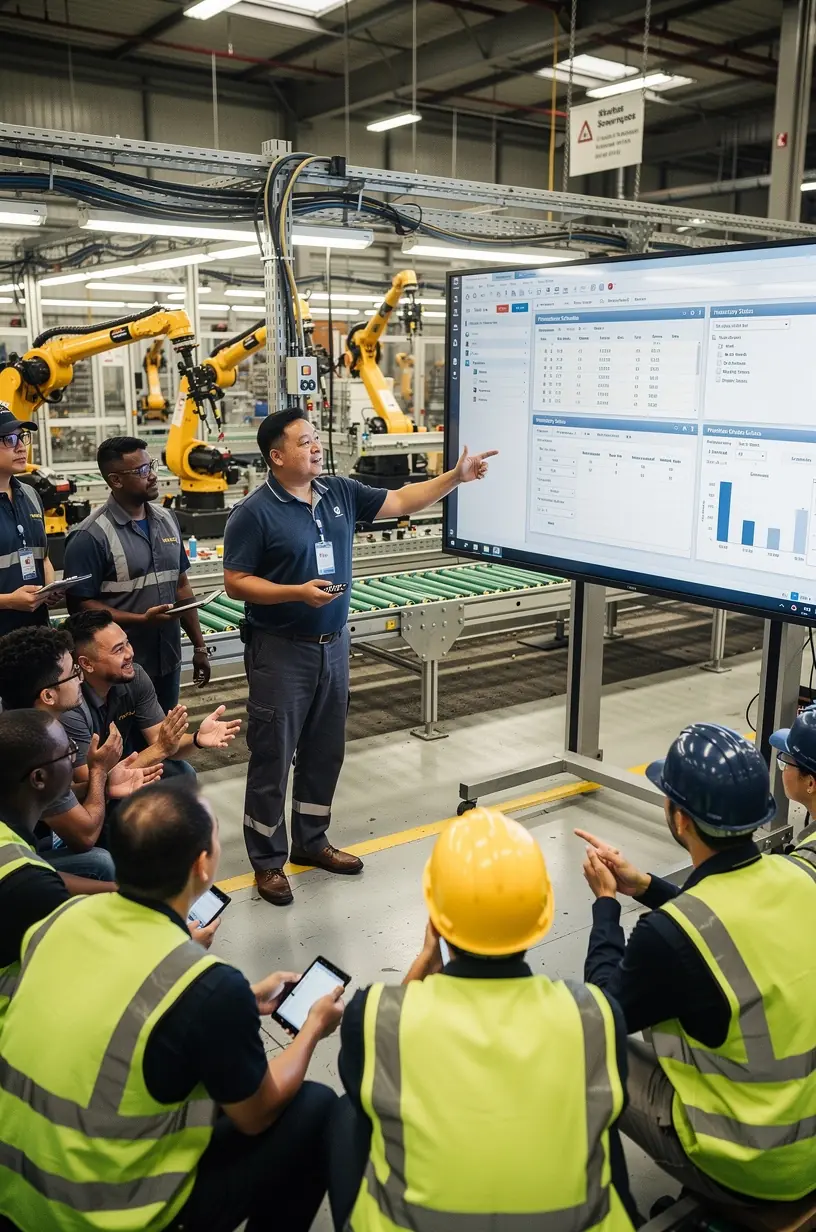
In today's manufacturing landscape, small to mid-sized businesses face unique challenges. Enterprise Resource Planning (ERP) systems can provide critical support by integrating various business processes. Understanding the key features of ERP tailored for this sector can help operations managers and IT decision-makers make informed choices that enhance production efficiency.
Understanding the Basics of ERP
Enterprise Resource Planning (ERP) systems serve as centralized platforms for managing business operations across departments. These systems can streamline processes, enhance data accuracy, and improve communication. According to industry experts, an effective ERP solution can significantly reduce operational inefficiencies and support better decision-making.

"Integrating core business functions through ERP can lead to improved productivity and reduced downtime in manufacturing settings." - Industry Expert
Essential Features of ERP for Small Manufacturers
When selecting an ERP system, small manufacturers should prioritize several key features:
- Inventory Management: Effective inventory management tools are crucial. They allow manufacturers to track stock levels, manage reordering processes, and reduce excess inventory, which is essential for cost control.
- Production Planning: This feature enables businesses to schedule production runs based on demand forecasts. Studies show that efficient production planning can optimize resource allocation and minimize lead times.
- Quality Control: Integrating quality control measures within the ERP system helps in maintaining product standards. Many users report that automated quality checks reduce errors and enhance customer satisfaction.
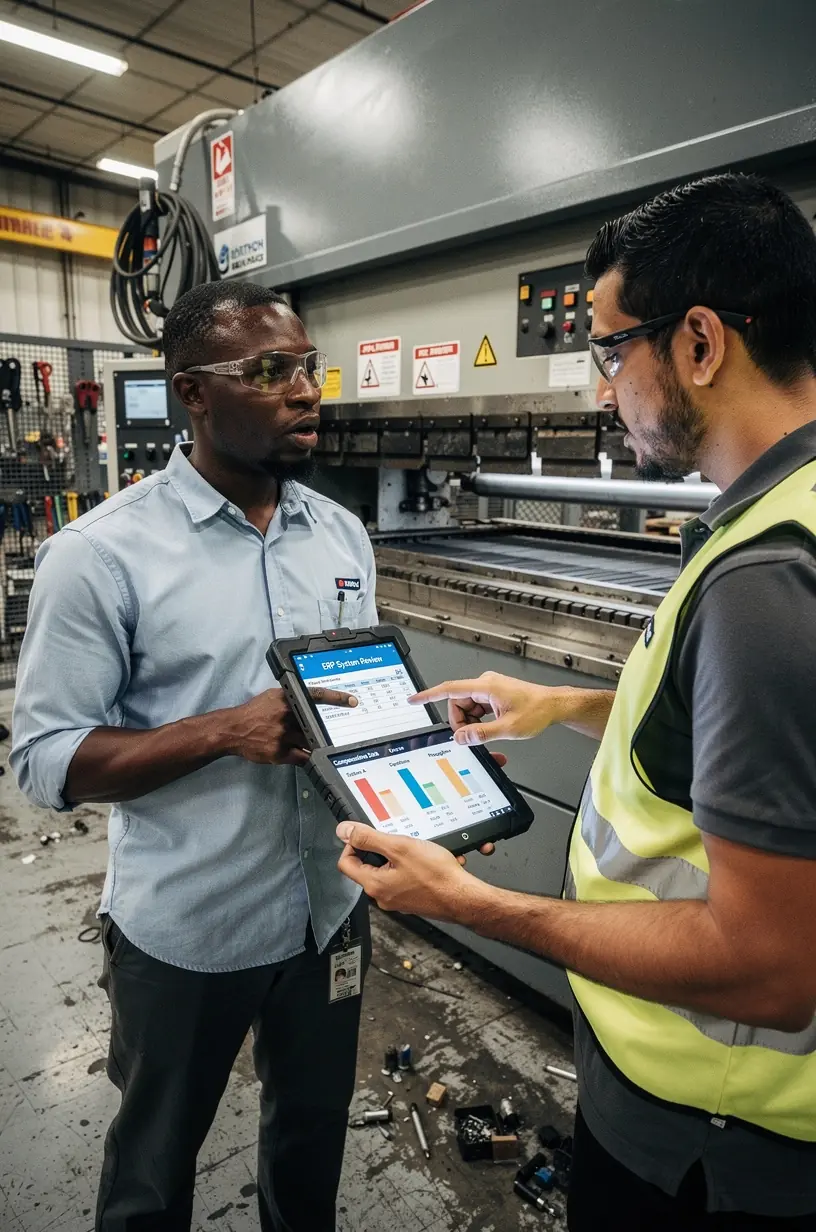
- Reporting and Analytics: Robust reporting tools provide insights into operational performance. According to research, companies using data-driven decision-making processes can achieve improvements in efficiency and productivity.
- User-Friendly Interface: A system with an intuitive interface can reduce the learning curve for employees. User-friendly design is vital, as it encourages adoption across different levels of the organization.
Implementation Considerations
Implementing an ERP system typically requires careful planning and resource allocation. Here are some considerations:
- Assessment of Needs: Before implementation, it’s important to evaluate the specific needs of your operations. This may include gathering input from various departments to ensure the ERP system addresses all critical areas.
- Training and Support: Many companies find that adequate training for staff is essential for successful implementation. This typically involves ongoing support during and after the transition period.
- Customization: While standard ERP solutions can meet the basic needs, customization may be required to align with unique operational workflows. Engaging with ERP vendors about these possibilities is advisable.
Conclusion
Choosing the right ERP system is a significant step for small manufacturers striving for operational efficiency. By focusing on essential features such as inventory management, production planning, and user-friendly design, businesses can enhance their productivity and adaptability. As experts recommend, careful consideration of implementation requirements and ongoing support will aid in fully leveraging the potential of ERP systems. Investing time in research and understanding can lead to a more effective decision-making process, ultimately positioning your business for success.