
Navigating ERP Integration with Existing Systems
Integrating Enterprise Resource Planning (ERP) systems with existing software can be a complex task, particularly for small to mid-sized manufacturing businesses. This article explores practical strategies for ensuring a smooth integration process, helping operations managers and IT decision-makers achieve production efficiency.
Understanding the Importance of ERP Integration
Successful ERP integration is crucial because it allows various business processes to communicate seamlessly. According to research, organizations that effectively integrate their ERP systems with existing applications can experience improvements in operational efficiency by approximately 20-30% in many cases. This is often achieved through streamlined workflows and centralized data management.
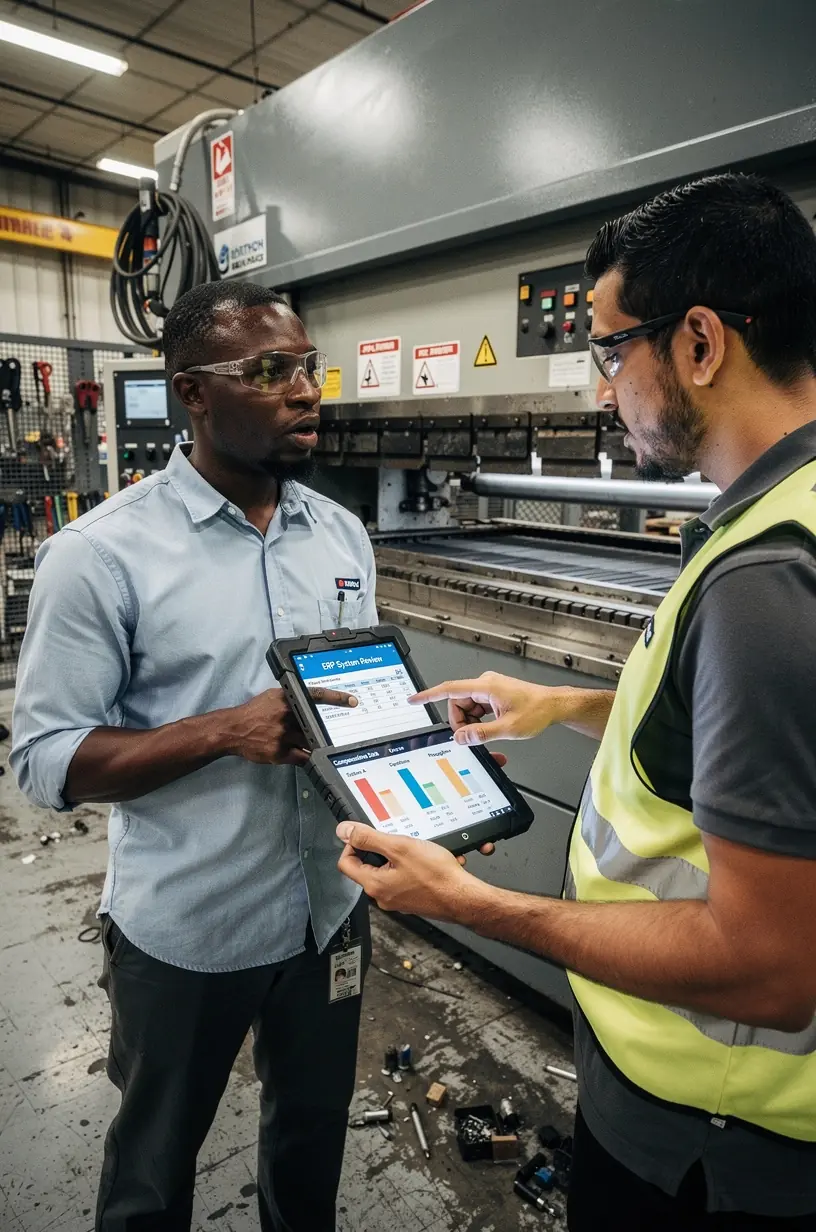
"A well-integrated ERP system can foster collaboration across departments and reduce data silos, enhancing overall productivity."
Key Considerations for ERP Integration
Before embarking on the integration process, consider the following key elements:
- Assess Existing Systems: Conduct a thorough evaluation of current software systems. Identify which applications are critical to operations and how they interact with each other. This step typically involves gathering input from key stakeholders across departments.
- Define Clear Objectives: It's essential to establish what you hope to achieve through the integration. Many users report that having clear objectives helps guide the integration process, ensuring that efforts are focused and aligned with business goals.
- Choose the Right ERP Solution: Not all ERP solutions are designed to integrate seamlessly with existing systems. Research indicates that selecting an ERP system with strong integration capabilities can significantly reduce implementation challenges. Look for solutions that offer APIs or pre-built connectors that facilitate compatibility.
The Integration Process
Understanding the methodology behind the integration process can help set realistic expectations. Here are the common steps involved:
- Planning: Create a detailed integration plan outlining timelines and responsibilities. Engaging all relevant stakeholders early in this process is crucial, as it promotes a shared understanding of objectives and challenges.
- Data Mapping: This step involves identifying how data from existing systems will map to the new ERP system. Accurate data mapping is essential to prevent data loss and ensure continuity in operations.
- Testing: Before going live, it is critical to conduct extensive testing. This should include testing the integration in a controlled environment to identify potential issues. Studies show that businesses that prioritize testing often face fewer issues during the final implementation phase.
- Training: Provide adequate training for staff who will use the new system. Many organizations find that investing time in training can improve user adoption rates, making the transition smoother.
Challenges and Limitations
While integrating ERP systems offers many advantages, it is important to acknowledge potential challenges:
- Integration can be time-consuming and may require ongoing effort to address evolving business needs.
- In some cases, older systems may lack the necessary capabilities for integration, leading to additional costs for upgrades or replacements.
- The process typically involves a learning curve, requiring staff to adapt to new workflows and processes.
Conclusion
Integrating an ERP system with existing software is a critical step in enhancing operational efficiency for manufacturing businesses. By following a structured approach and setting realistic expectations, organizations can navigate the integration process more effectively. Remember, the goal is to create a cohesive system that supports your business's growth and efficiency.
Discover More