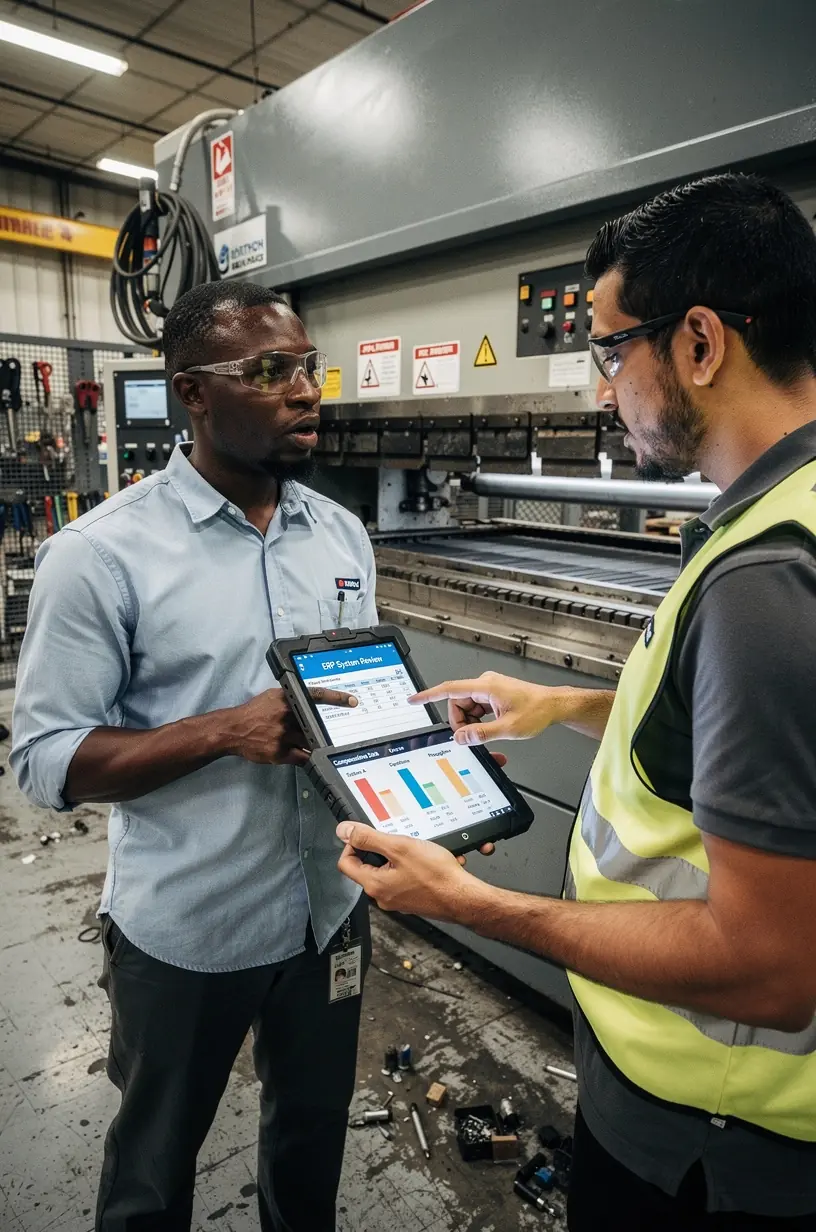
Implementing ERP: Lessons from Successful Case Studies
Implementing an Enterprise Resource Planning (ERP) system can be a challenging yet rewarding endeavor for small to mid-sized manufacturing businesses. By analyzing successful case studies, we can glean valuable insights that enhance production efficiency and streamline operations.
Understanding the Basics of ERP Implementation
ERP systems integrate various business processes into a single comprehensive framework, allowing for improved data visibility and operational efficiency. According to industry research, a well-implemented ERP system can lead to a productivity increase of 20-30% in similar contexts.

"Organizations that effectively implement ERP systems often report enhanced collaboration and reduced operational costs." - Industry Expert
Key Lessons from Successful ERP Implementations
Here are some essential lessons drawn from companies that have successfully implemented ERP systems:
- Thorough Planning is Crucial: Successful implementations often start with detailed planning that includes assessing current processes, defining goals, and setting realistic timelines. Many organizations typically take 2-3 months to prepare before the actual implementation begins.
- Involvement of Stakeholders: Engaging key stakeholders throughout the process is vital. This ensures that the ERP solution addresses the actual needs of various departments, which can significantly enhance user acceptance and reduce resistance to change.
- Training and Support: Comprehensive training programs are essential for users to feel comfortable with the new system. Studies show that effective training can increase user confidence and decrease the likelihood of errors during operation.
Real-World Examples of Successful ERP Implementation
Examining specific case studies can provide practical insights into the implementation process:
Case Study 1: ABC Manufacturing
ABC Manufacturing, a small-scale producer of automotive components, faced challenges with inventory management. After implementing an ERP system, they streamlined their supply chain operations. The project took approximately six months, and the company reported a 25% reduction in inventory costs within the first year.
Case Study 2: XYZ Fabricators
XYZ Fabricators utilized an ERP system to enhance their production scheduling. By integrating real-time data into their decision-making processes, they improved on-time delivery rates by 30%. This case exemplifies how leveraging data analytics within an ERP framework can lead to significant operational improvements.
Conclusion
Implementing an ERP system is not a one-size-fits-all solution; it requires careful planning, stakeholder engagement, and ongoing support to be effective. By learning from the experiences of other organizations, small to mid-sized manufacturing businesses can make informed decisions that enhance their operational efficiencies and overall effectiveness. Remember, successful ERP implementation typically takes time and effort but can yield substantial benefits in the long run.